
2026 was the year of maxxingmaxxing.
Online, people were looksmaxxing. Offline, they were frictionmaxxing. The suffix has become inescapable, used by everyone from Marriott Hotels to the Pentagon bragging about “lethalitymaxxing.” So much so that last week Dictionary.com named ‘maxxing’ its 2026 Word of the Year.
To choose each year’s word, Dictionary.com lexicographers scan news articles, social media and online searches for most-used terms, “and then we ask ourselves what’s telling the most compelling story of the year,” Steve Johnson, director of lexicography for the Dictionary Media Group, told the Guardian.
“Maxxing” has been around in various forms for decades, with roots in gaming culture, but it gained the most traction through “looksmaxxing” forums, where teenage boys trade tips on maximizing facial symmetry through methods like smashing their jaws with a hammer.
Dictionary.com says use of the term surged nearly 700% on social media in the first seven months of 2026, aligning neatly with modern consumer culture's obsession with optimization. If an aspect of life can be improved, it can be maxxed, and the suffix compresses an entire value proposition into a single handy word for brand marketing.
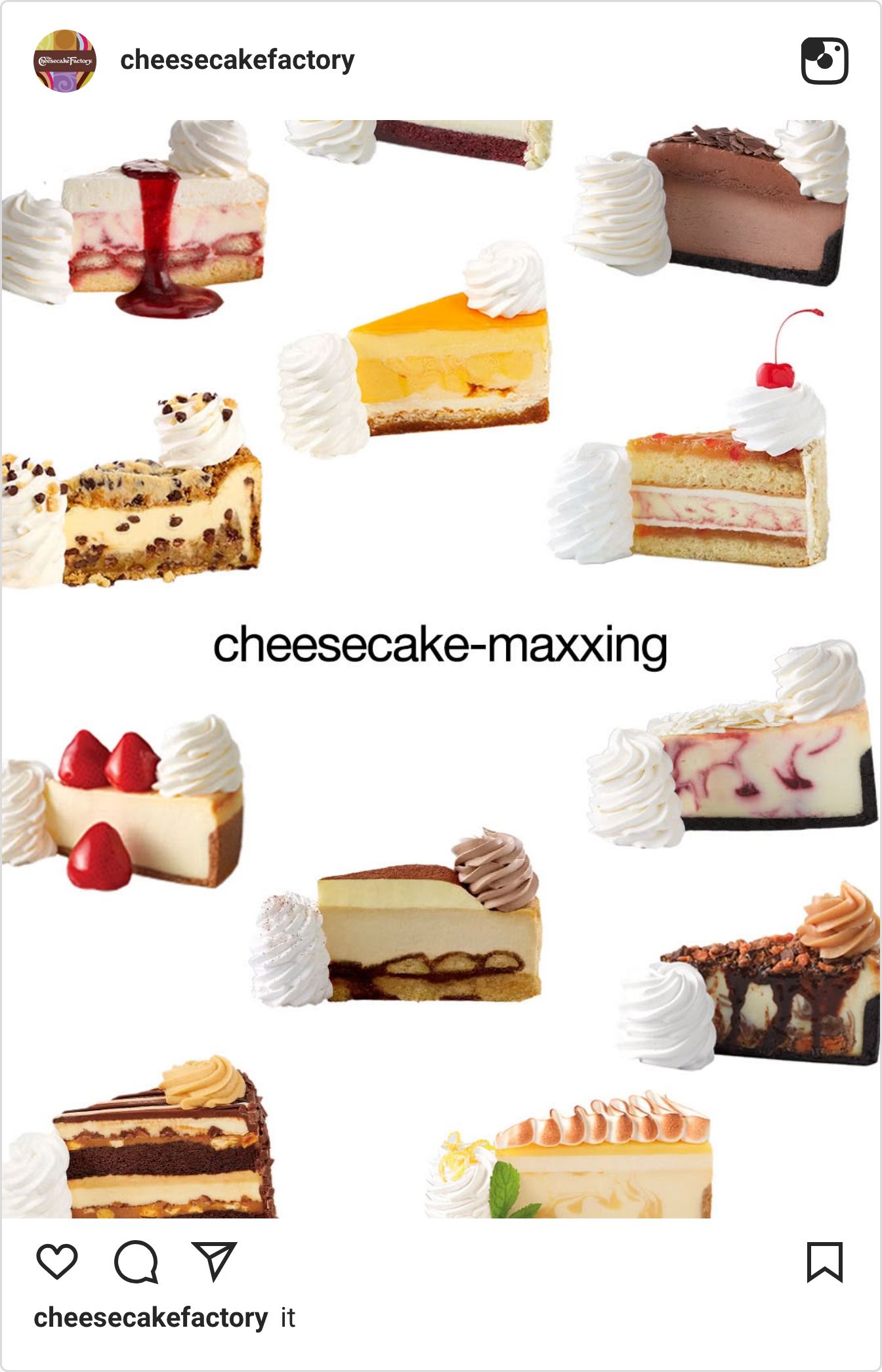
A protein brand is now proteinmaxxing. A wellness company can promote sleepmaxxing. “Fibermaxx your latte,” says an Instagram ad for Poca, a brand of sugar-free flavored syrups made with 3 grams of chicory root fiber per serving. Supermarket chain Lidl promoted “Lidlmaxxing,” transforming brand promises into a culturally relevant and searchable format.
Some brands adopted a more critical approach to the trend this year. CeraVe posted a TikTok in March parodying extreme “looksmaxxing protocols” like bonesmashing before promoting lotion instead. Purely Elizabeth’s recent campaign, “Protein Product Madness,” ribs the idea of proteinmaxxing, with protein candy, protein wine and even protein toothpaste.
Brands have always borrowed from culture, but internet neologisms now migrate from meme pages to marketing decks faster than ever. Navigating internet-speak carries risks, from coming across as cringe-worthy to seeming tone-deaf. Trending expressions work best when they align naturally with a brand’s identity.
The real value in these buzzy expressions lies in the meaning behind them. Rather than forcing a trending word into marketing materials, ask: Why does this resonate? What does this tell me about culture right now?
The pendulum is already swinging the other way. Data from Pulsar earlier this year showed that anti-maxxing conversations increased fifteenfold over six months. "Pro-maxxing" discourse, meanwhile, fell 19%. Brands should track trending words and what’s driving them, and watch whether a viral term is a contender for Dictionary.com’s 2027 Word of the Year or already fading.
That’s what you call brandmaxxing.

Was this email forwarded to you? Subscribe to The Zeitgeist by Catamaran here.
