
For those who missed it, last month, fintech company Ramp turned its AI-powered bill-pay software used by corporations for expense reporting into an actual Broadway production about… paying bills (what else?).
Ramp marketed the performance as a return to the industrial musicals of the latter half of the 20th century: stage shows commissioned by American companies for the benefit of their employees or shareholders. Essentially, a very expensive, over-the-top ad.
It’s not the only brand pushing beyond traditional product marketing into entertainment and multimedia storytelling lately.
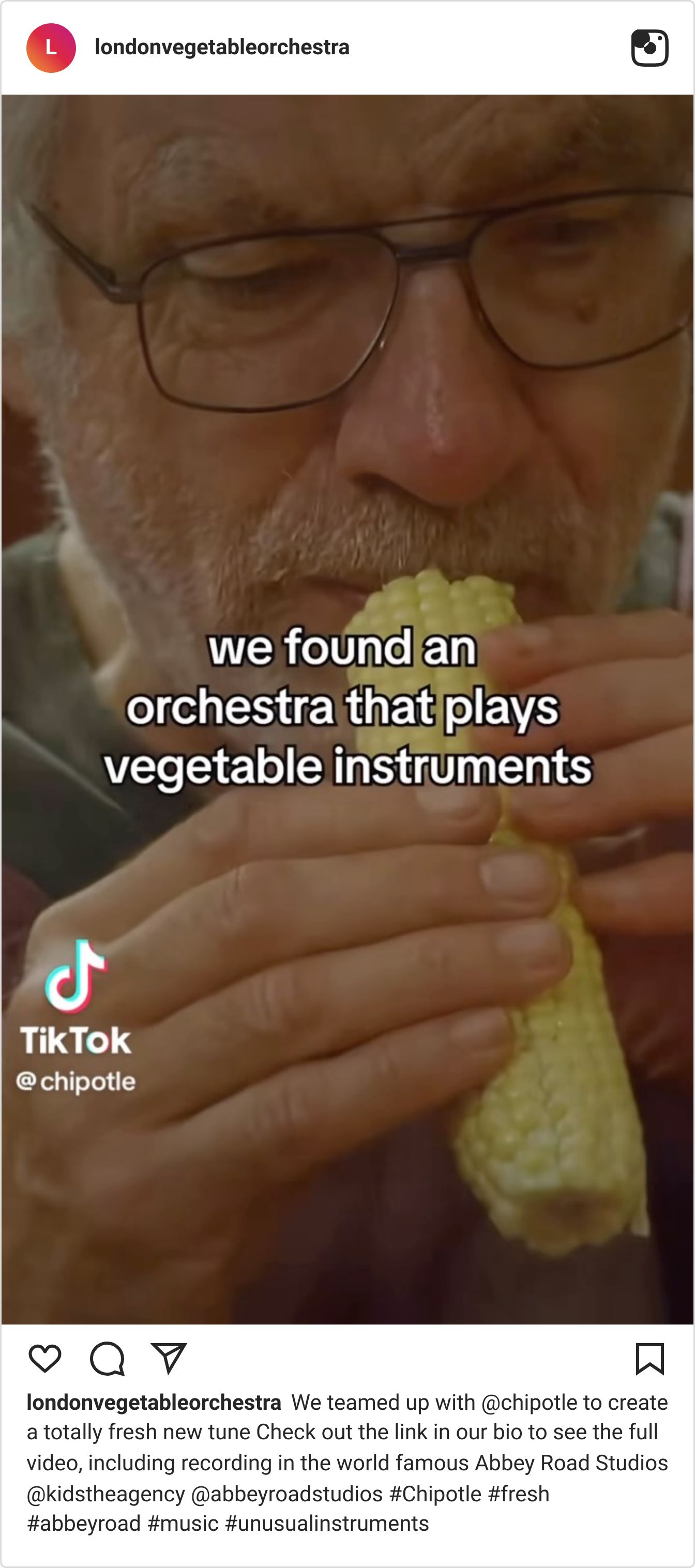
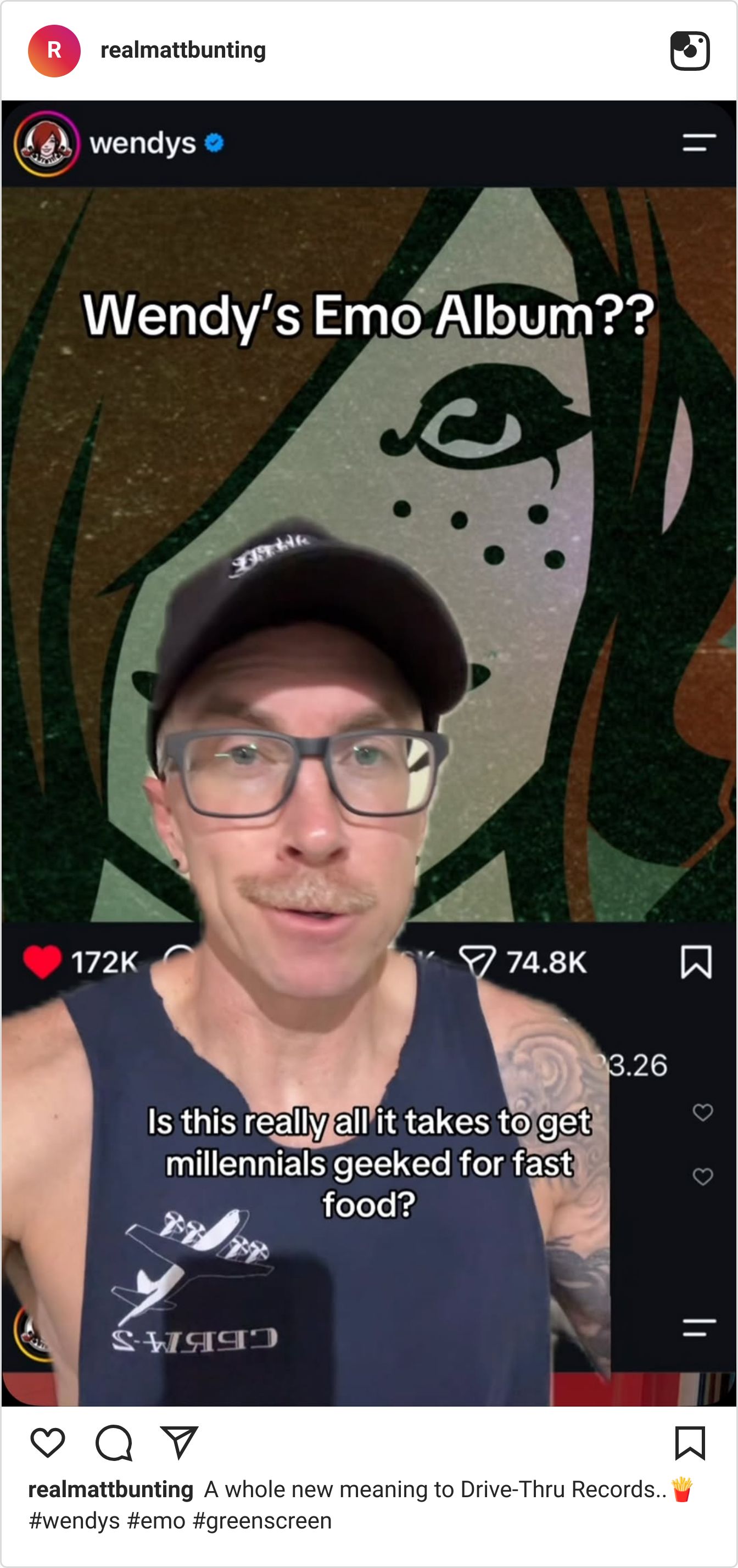
In the past few weeks, Blue Bottle Coffee dropped a contemporary jazz record on vinyl, Wendy’s released an emo album and Chipotle unveiled an original song with the London Vegetable Orchestra, an ensemble that performs with instruments made entirely from produce.
It’s the natural evolution in an era when ads and product rollouts are analyzed as cultural artifacts in their own right. “Marketinggg👏” has become a compliment, Emily Sundberg wrote in her newsletter Feed Me last year. But as brands working to tap into culture know, it can be a double-edged sword.
Yahoo’s Kelsey Weekman recently wrote about the rise of eventslop – or an influx of celebrity look-alike contests and aura battles. She asked, “Is this rash of viral gatherings in major metropolitan areas a sign that the masses are feeling more whimsical these days, or that human interaction is becoming more superficial, manufactured to feed an algorithm?”
Brands could benefit from asking themselves the same question. In a saturated marketing landscape, brands need to take some risks. Say what you will about a Broadway musical on bill-pay software, but ironically, it's not boring. With audiences more cognizant of marketing than ever before, culture-driven campaigns that prioritize clicks over meaningful contributions can inadvertently do more harm than good.
Often, brands stand to gain from mere proximity to culture, more than from positioning themselves as the main character. A recent Vogue Business article discussed the rising trend of brands becoming patrons of the arts. This patronage role, once reserved for aristocrats, collectors and institutions, is a return to something old made new again.
Chanel is a major patron of the Paris Opera. UNIQLO sponsors a grant for public artworks in New York City’s parks. PepsiCo endowed a $100,000 annual fund for the Brooklyn Museum to purchase new works.
Here, brands fund the conditions for artists, musicians and filmmakers to make their art, without expecting an immediate ROI. They gain cultural proximity and prestige. The arts receive an injection of cash – a win, win.
And these examples of corporate patronage will likely live longer in culture than a Broadway musical about bill-pay software.

Was this email forwarded to you? Subscribe to The Zeitgeist by Catamaran here.
